


Uncategorized
Tombstone Manufacturing Process: From Raw Stone to Finished Tombstone
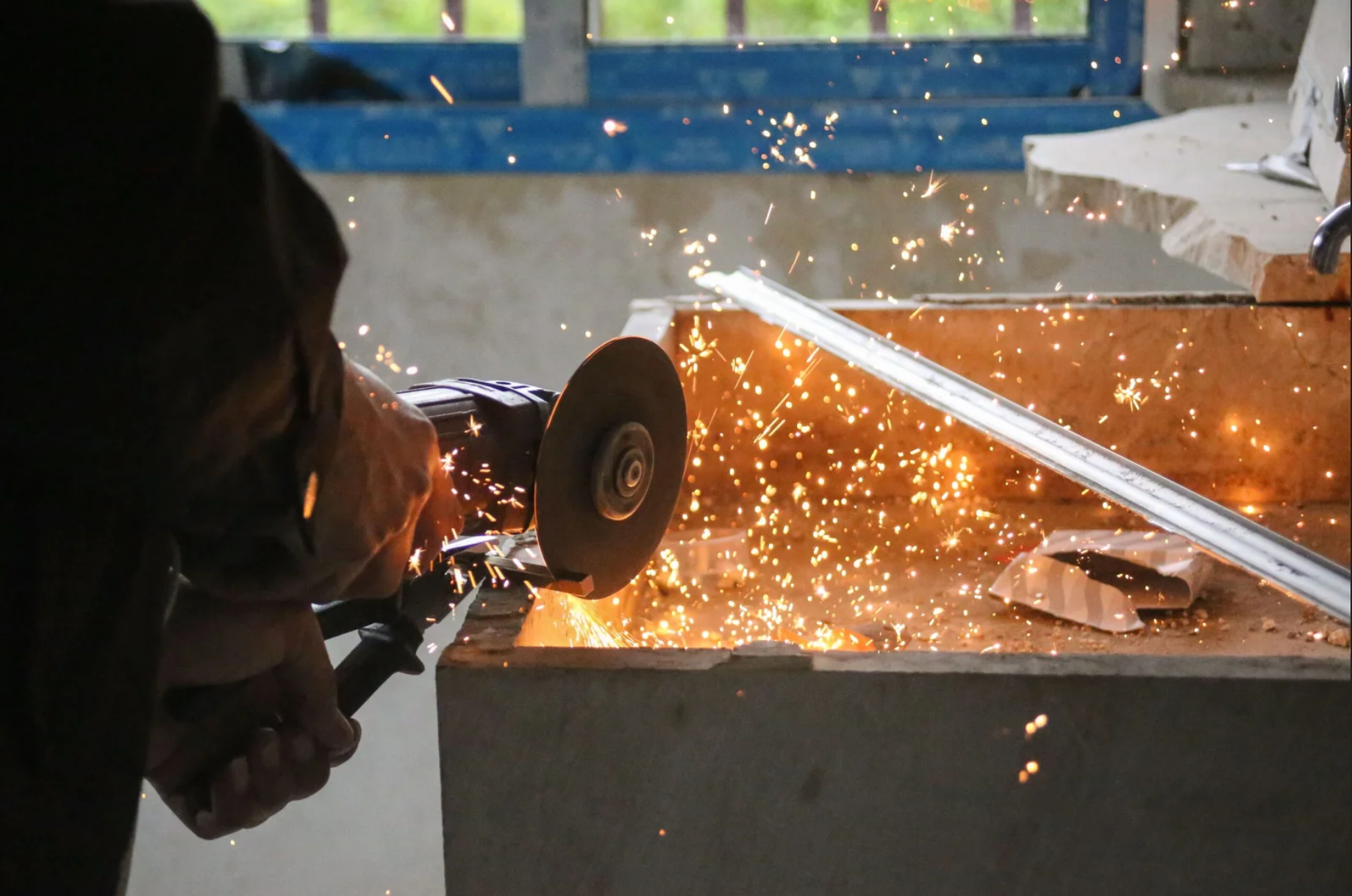
9月
A finished tombstone is the result of several stone-processing stages rather than a single machining operation. The stone must first be selected and prepared, then cut to size, shaped, ground, polished, and processed with additional machining where the design requires it.
A typical tombstone manufacturing process may follow this sequence:
Material Selection → Production Drawing → Cutting → Shaping / Profiling → Grinding → Polishing → Drilling / Additional Processing → Engraving / Decorative Finishing → Final Inspection
The exact sequence varies according to the stone material, product geometry, dimensions, surface finish, decorative requirements, and machining requirements. Some tombstones may need extensive profiling and drilling, while others may use a relatively simple cutting and surface-finishing workflow.
So, how is a headstone made? From an industrial stone-processing perspective, the answer starts with the raw stone and follows a controlled series of machining and finishing operations.
What Is the Tombstone Manufacturing Process?
The tombstone manufacturing process converts a natural stone block, slab, or other suitable stone material into a finished monument with the required dimensions, shape, surface finish, and decorative details.
A general workflow looks like this:
Raw Stone
↓
Material Selection
↓
Design / Production Drawing
↓
Cutting
↓
Shaping / Profiling
↓
Grinding
↓
Polishing
↓
Drilling / Additional Machining
↓
Engraving / Decorative Finishing
↓
Final Inspection
Not every product passes through every stage.
For example, a simple flat monument may require cutting, grinding, polishing, and engraving, while a more complex design may require CNC profiling, curved-edge processing, drilling, and additional surface work.
The manufacturing sequence can also vary according to the material. Granite, marble, and other natural stones have different physical characteristics and can respond differently to cutting, grinding, and polishing. The Natural Stone Institute notes that commercial stone categories can group materials according to how they behave and perform, rather than relying only on strict geological classifications.
A recent manufacturing example from Stone Discover also describes a granite headstone workflow involving CAD preparation, granite sourcing, cutting and shaping, edge profiling, engraving, polishing, inspection, and shipping.
What Materials Are Used to Make Tombstones?
Granite is widely used in monument and tombstone production, while marble and other natural stones may also be processed depending on the intended product and market.
The choice of tombstone materials affects nearly every downstream machining stage.
Granite
Granite is commonly processed for monuments because its physical characteristics allow it to be used for exterior stone products and polished surfaces. The Natural Stone Institute describes granite as a hard crystalline natural stone and notes its strength, abrasion resistance, and weathering durability.
In granite tombstone manufacturing, the material’s hardness and mineral composition influence cutting, grinding, abrasive selection, and polishing behavior.
Marble
Marble can also be used for tombstones and other monument products. Its processing behavior differs from granite, particularly during grinding and polishing.
The operator or production engineer needs to consider the stone’s surface condition and the required finish rather than simply applying the same processing conditions used for granite.
Other Natural Stones
Other natural stones may be selected for particular designs or regional requirements. Their cutting and finishing characteristics can vary significantly.
For a broader explanation of natural stone categories and their characteristics, see different types of natural stone.
The important point for manufacturers is that material selection is directly connected to processing. Hardness, grain structure, density, surface characteristics, cutting behavior, and polishing response can all influence the production workflow.
Tombstone Design and Production Preparation
Before machining starts, the design needs to be translated into usable production information.
A production drawing can define:
Overall dimensions
Stone thickness
Basic outline
Curved or angled sections
Surface profiles
Edge treatments
Decorative contours
Holes or additional machining requirements
Position of other design features
For complex tombstones, this information provides the bridge between the intended design and the actual machining process.
The drawing does not simply describe how the finished product should look. It also helps determine how the stone should be cut, where material needs to be removed, and which machining operations are required.
This becomes especially important when a tombstone includes curved edges, non-standard profiles, or multiple machining stages. Accurate production information can reduce unnecessary correction work later in the process.
Stone Cutting
Cutting establishes the basic stone blank from which the tombstone will be produced.
The objective is to reduce the raw stone to a workable size and create the basic dimensions required for subsequent shaping and finishing.
Typical cutting operations may include:
Cutting slabs or stone pieces to required dimensions
Making straight cuts
Preparing blanks for profiling
Establishing the basic height and width
Removing excess material before shaping
Common equipment categories include bridge saws, stone cutting machines, and CNC cutting equipment.
The cutting stage should leave enough material for subsequent profiling and surface finishing without creating unnecessary downstream work.
Dimensional consistency also matters because an inaccurate starting blank can affect later profiling, grinding, and polishing operations.
The cutting process itself should therefore be considered part of the overall tombstone processing workflow rather than an isolated operation.
Shaping and Profiling the Tombstone
After cutting, the basic stone blank may need to be shaped into its intended outline.
This stage is particularly important for tombstones with:
Curved edges
Special-shaped outlines
Decorative contours
Angled sections
Complex profiles
Shaped surfaces
Profiling removes material according to the required geometry. Unlike grinding or polishing, its primary purpose is to establish or refine the shape of the stone.
For manufacturers producing different monument geometries, stone profiling machines can form an important part of the processing system.
CNC profiling equipment can be used where programmed tool movement is required for more complex geometries. Multi-column and double-beam profiling configurations can also be relevant to particular industrial stone-processing applications.
The specific machine configuration should depend on the workpiece geometry and production requirements rather than assuming that every tombstone requires the same profiling process.
Grinding the Stone Surface
Once the basic shape has been established, grinding prepares the stone surface for subsequent finishing.
The main purposes of tombstone grinding include:
Removing saw marks
Correcting surface irregularities
Refining rough surfaces
Reducing machining marks
Preparing the surface for polishing
Grinding and polishing are related, but they are not interchangeable.
Grinding generally involves more substantial material removal and surface correction. Polishing comes later and focuses on progressively refining the prepared surface to achieve the required final appearance.
The effectiveness of grinding depends on several factors, including the stone material, starting surface condition, abrasive selection, machine stability, and process control.
For example, a surface with deeper saw marks may require more preparation before it can move efficiently into fine finishing stages.
There is no single abrasive sequence that applies to every stone. The progression needs to match the material and the condition of the workpiece.
Polishing the Tombstone
After grinding has prepared the surface, polishing further refines it to achieve the required appearance.
The tombstone polishing process may involve progressively finer abrasive stages. The objective is to reduce the surface marks left by earlier processing and develop the required level of smoothness and visual finish.
The final result depends on:
Stone type
Surface condition
Abrasive system
Machine configuration
Tool condition
Processing stability
Desired finish
Water or cooling management where applicable
A polished granite surface, for example, requires a different processing approach from a honed or otherwise less reflective surface.
Manufacturers should therefore treat polishing as part of a complete finishing sequence rather than as a final operation that can compensate for poor surface preparation.
For a more detailed explanation of equipment, abrasive progression, and the relationship between grinding and polishing, see the CANON guide to stone polishing machine.
CANON’s relevant equipment areas include automatic polishing machines, multi-head polishing machines, semi-automatic systems, and other specialized stone-finishing equipment. The appropriate configuration depends on the workpiece and production workflow.
Drilling and Additional Stone Processing
Not every tombstone requires drilling or additional machining.
When a design includes holes, mounting-related features, or other machined details, these operations may be carried out after or alongside the main shaping and surface-finishing stages.
Possible operations include:
Drilling
Hole processing
Special-shaped machining
Additional edge treatment
Additional surface processing
Equipment used for these applications can include vertical drilling machines, large vertical drilling machines, gantry drilling machines, and other specialized stone-processing equipment.
The correct sequence depends on the product design. Some features may need to be machined before final polishing, while others may be processed afterward to protect the finished surface.
This is why tombstone stone processing should be planned as a complete workflow rather than a collection of unrelated machine operations.
Engraving and Decorative Finishing
Engraving is an additional decorative process rather than the entire tombstone manufacturing process.
Depending on the product and production method, manufacturers may use:
Traditional hand engraving
CNC engraving
Laser etching
Other decorative techniques
The engraving stage may involve text, symbols, patterns, or other decorative elements.
Its position in the workflow can vary. Some decorative features may be applied after the primary stone surface has been finished, while certain carved or shaped details may need to be produced earlier.
The key distinction is that engraving adds decorative or identification details, while cutting, profiling, grinding, and polishing establish the stone’s physical form and primary surface finish.
Final Inspection and Finishing
Quality control should not begin only when the tombstone is finished. Each major processing stage provides an opportunity to identify problems before they affect subsequent operations.
Final inspection can cover:
Overall dimensions
Shape
Profile accuracy
Surface condition
Polished finish
Edge quality
Drilled areas
Decorative details
The finished product should be checked against the production information established at the beginning of the process.
Inspection requirements will vary according to the product and buyer’s specifications, so manufacturers should establish their own appropriate quality-control procedures rather than relying on a universal tolerance value.
How Does Tombstone Manufacturing Differ From General Stone Processing?
Tombstone production uses many of the same basic operations found throughout the stone-processing industry.
A slab may primarily require cutting, grinding, and polishing. A column may require profiling and cylindrical processing. A special-shaped architectural component may require extensive shaping before surface finishing.
Tombstones can combine several of these requirements in one product.
For example, a more complex monument may require:
Cutting → Profiling → Grinding → Polishing → Drilling → Decorative Finishing
A simpler product may follow:
Cutting → Grinding → Polishing → Engraving → Inspection
This variation is one reason tombstone production should not be reduced to a single-purpose “tombstone making machine.” The required equipment depends on the geometry, material, finish, and machining details of the actual product.
For a specialized stone-processing machinery manufacturer, the relevant capability is therefore broader than tombstone production alone. Profiling, grinding, polishing, cutting, drilling, and special-shaped processing can all form part of the same manufacturing ecosystem.
What Machines Are Used in Tombstone Manufacturing?
The equipment used in tombstone manufacturing equipment lines depends on the required processing stages.
Manufacturing Stage Typical Equipment Main Purpose
Cutting Stone cutting machine Establish basic dimensions
Profiling CNC / profiling machine Shape and contour the stone
Grinding Grinding / polishing machine Refine the surface and remove machining marks
Polishing Polishing machine Achieve the required surface finish
Drilling Vertical / gantry drilling machine Create required holes
Engraving Engraving equipment Add text or decorative details
The table represents equipment categories rather than a fixed production line. A manufacturer may use only some of these machines depending on the tombstone design.
The more useful approach is to evaluate each machine in relation to the complete process. Cutting should support profiling, profiling should leave a suitable surface for grinding, grinding should prepare the stone for polishing, and additional machining should be positioned where it makes the most practical sense for the product.
For manufacturers looking at the equipment side in more detail, CANON’s dedicated tombstone manufacturing equipment article provides a more focused overview of machinery used for monument and tombstone processing.
Factors That Affect Tombstone Processing Quality
Consistent tombstone finishing depends on several stages working together.
Stone Material
Granite, marble, and other natural stones can respond differently to cutting, grinding, and polishing. The material needs to be considered when establishing the machining and finishing process.
Starting Condition
The condition of the raw material or stone blank affects how much preparation is required.
Deep saw marks, uneven surfaces, or other irregularities can increase the work required during grinding.
Design Complexity
A simple flat monument requires fewer shaping operations than a product with curved profiles, decorative contours, drilled features, and multiple surfaces.
More complex geometry generally requires more carefully coordinated machining stages.
Machining Accuracy
Cutting and profiling establish the physical geometry of the tombstone. Errors introduced early in the process can affect later finishing operations.
Abrasive Selection
Abrasives need to match both the stone and the processing stage.
Using an inappropriate abrasive progression can leave unwanted scratches or make later polishing less efficient.
Equipment Stability
Consistent machine movement and tool contact contribute to repeatable processing.
The exact requirements depend on the machine design and workpiece.
Process Control
Operator experience, machine settings, tooling condition, water management, and inspection all contribute to the stability of the process.
The main objective is to control the complete workflow rather than expecting one machine to determine the final quality by itself.
How Long Does It Take to Make a Tombstone?
There is no single production time that applies to every tombstone.
The manufacturing time can vary according to:
Stone availability and preparation
Material type
Tombstone dimensions
Geometry
Amount of profiling
Grinding requirements
Polishing requirements
Drilling or additional machining
Engraving and decorative work
Production method
Inspection requirements
A simple design with straightforward geometry can require a very different amount of processing from a highly shaped monument with multiple decorative details.
The production method also matters. Manual, semi-automatic, and automated workflows can involve different levels of operator intervention and process integration.
For this reason, how long does it take to make a tombstone is best answered by looking at the specific product and production route rather than assigning a universal number of hours or days.
Conclusion
The tombstone manufacturing process is a coordinated sequence of stone-processing operations:
Material Selection → Production Drawing → Cutting → Shaping / Profiling → Grinding → Polishing → Additional Processing → Decorative Finishing → Final Inspection
Not every tombstone follows exactly the same route. Granite, marble, and other natural stones can require different processing approaches, while product geometry determines whether profiling, drilling, or other machining is necessary.
For manufacturers, the key is to connect each operation logically. Cutting establishes the blank, profiling creates the required geometry, grinding prepares the surface, polishing develops the final finish, and additional machining or engraving completes the product where required.
CANON Machinery, the stone-processing machinery brand of Quanzhou Jianeng Machinery Manufacturing Co., Ltd., focuses on special-shaped stone processing and related stone-processing equipment, including profiling, grinding and polishing, cutting, drilling, and other machinery used across industrial stone-processing applications.
